What Is Bone Resorption, and Why Does It Matter After Tooth Loss?
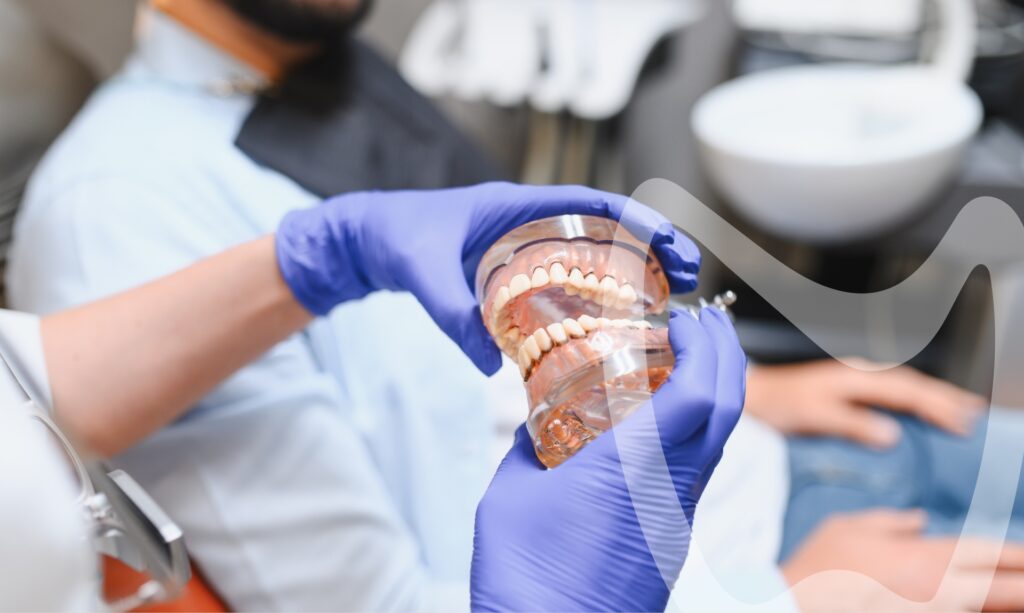
What happens after you lose a tooth?
When you lose a tooth, what happens after it comes out? You hear a lot about the gaps that are left behind and what happens to your smile, but is there more to it? The reality is, yes, there is. Unfortunately, many people focus only on the loss of the tooth and how that will affect their ability to eat, speak, and smile for the camera. But tooth loss also affects your jawbone and what’s happening beneath the surface.
We know that bone resorption might be an unfamiliar term to you. In this article, our team at Implant & Prosthodontics Associates wants to give you the information you need so that you understand not only what happens with tooth loss in the short term but over the long term as well.
What is bone resorption?
Throughout your life, your bones constantly grow and remodel. You probably understand bone growth, but what is bone remodeling? Basically, this is the process of removing old bone tissue and replacing it with new bone. Bone resorption is the part of that cycle where your body breaks down and absorbs old bone.
So, what does any of this have to do with your teeth?
Your tooth roots sit inside your jawbone. Every time you bite and chew, those roots transfer pressure to the surrounding bone. That stimulation tells your body that the bone in that area is still needed.
When you lose a tooth, you also lose its root. The jawbone in that spot no longer receives the same stimulation. Your body may then begin breaking down and absorbing some of that bone. Over time, the jawbone can lose height, width, and density where the tooth once was.
What causes bone resorption?
So, what causes bone resorption? We talked about tooth loss, but that’s not the only contributor. Here is a more comprehensive list of the common contributors to bone resorption (with tooth loss right at the top of the list).
- Missing teeth can lead to bone loss because the jaw no longer receives stimulation from the tooth roots.
- Gum disease can damage the tissues and bone that support your teeth, especially when the disease becomes more advanced.
- Trauma or injury can damage the jawbone or surrounding tissues and contribute to bone loss in the affected area.
- Long-term denture use may be associated with continued jawbone loss because traditional dentures rest on the gums and do not replace the stimulation once provided by natural tooth roots.
How quickly does bone loss occur?
So this begs the question: if you lose a tooth or experience gum disease or dental trauma, how long does it take before you actually start to experience tooth loss? It’s a great question, and the answer varies. That said, most patients start to experience bone loss after only two or three weeks. This is because your body will start to reabsorb unused bone tissue shortly after a tooth comes out.
But the thing to know is that it doesn’t just stop after two to three weeks. The loss keeps going, and your body (or mouth, in this case) will start to show more obvious signs in as little as a few months. And over the first year, your jawbone can lose nearly 25% of its width or overall volume. When you think about it, that’s pretty fast when all is said and done.
Common Signs of Bone Resorption
Your dentist isn’t the only person who will start to notice the changes in your smile. You’ll start to see changes, too. Here is what those changes might look like:
- Your facial appearance will start to change
- Your cheeks might start to appear sunken, as though you have lost weight (but you haven’t)
- Your dentures won’t fit as tightly or snugly as they used to
- You may notice a change in your bite (your teeth feel different when you close your mouth)
All the above symptoms are classic signs that you are experiencing bone resorption.
Why Bone Resorption Matters
Bone resorption matters because the amount of jawbone you have can affect your dental choices later. If too much bone is lost, there may not be enough support for a dental implant without additional treatment, such as bone grafting.
Bone loss can also affect how well your teeth come together and how your mouth functions. As the jaw changes, chewing certain foods may become more difficult. Changes in tooth position or denture fit may even affect the way you speak.
There’s also your long-term oral health to consider. Your jawbone supports your remaining teeth and helps maintain the structure of your mouth. Addressing tooth loss sooner gives your dental team more opportunities to preserve bone and plan for tooth replacement before additional changes occur.
How Dental Implants Help Prevent Bone Loss
When you lose a tooth, your dentist will most likely start talking to you about tooth replacement options. The most common choices are dentures or dental implants. Dentures often provide an affordable short-term solution. Dental implants, on the other hand, are widely considered the gold standard for tooth replacement because they have a 92.5% success rate and are designed to last your lifetime. Plus, dental implants in Oklahoma City act like artificial tooth roots and offer one of the most comfortable solutions for your smile.
But just how do dental implants help prevent bone loss? It’s because the implant post is placed directly into the jawbone, where it takes the place of the missing tooth root. As you bite and chew, the implant transfers pressure to the surrounding bone, providing the stimulation that helps your jaw maintain its bone tissue.
Why Bone Grafting May Be Needed
If you come to chat with our team at Implant & Prosthodontic Associates about dental implants and dentures in Oklahoma City, we’re going to talk to you not just about your tooth replacement goals, but we’re going to assess the current state of your oral health, including the health of your jaw. Sometimes, we may find that your bone loss is more severe, and bone grafting may be required to maximize your chances of successful dental implant placement.
A bone graft means that we add bone grafting material to areas of your jaw where bone has been lost, giving your body a framework for building new bone tissue. And ultimately, a bone graft can help create a stronger foundation for your replacement teeth.
Experiencing bone resorption? Our Team Can Help
If you have lost one or more teeth, bone resorption is inevitable. It happens. But whether you decide to replace your teeth right away or years down the road, our team can assess your situation and align a solution that will meet your long-term smile goals.
Request an appointment today with our team at Implant & Prosthodontic Associates and see our unique approach to implant dentistry. We’re confident that we can create a treatment plan that can stop bone resorption in its tracks and get you smiling again.