
Why a Missing Tooth Is Something You Should Never Ignore
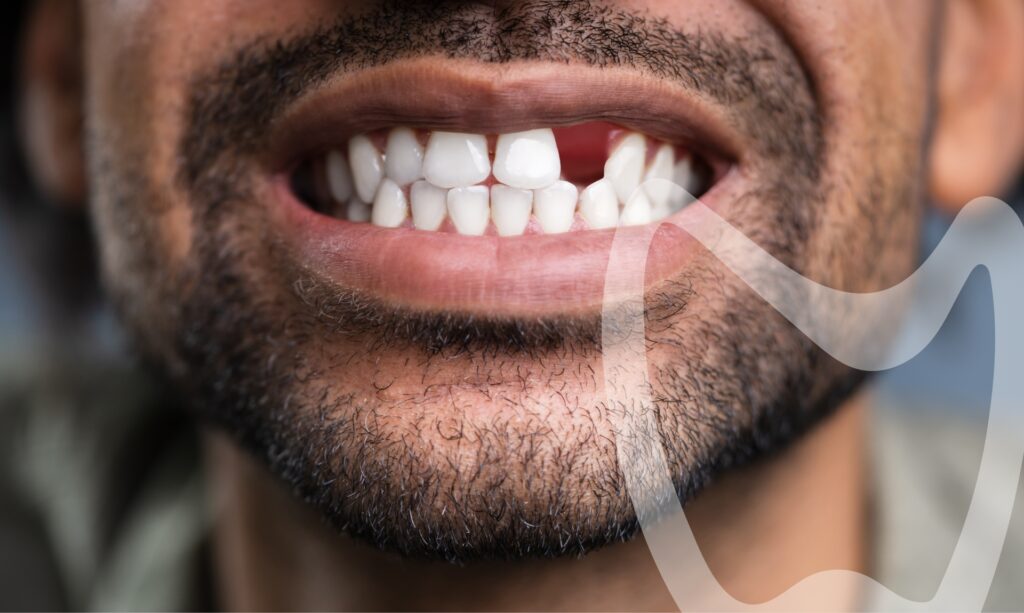
Why Tooth Loss Deserves Attention
A missing tooth can be easy to downplay, especially if it’s in a spot that isn’t so visible. If you can still chew and smile without thinking about it too much, it might not feel urgent.
But the teeth, gums, bite, and jaw all work together. When one tooth is gone, the rest of the mouth begins to adjust around that open space. Nearby teeth might move. Chewing might feel different. The bone that once supported the tooth root might also start to change.
A missing tooth is not only about appearance. It can affect long-term comfort, function, and oral health. The sooner you understand your replacement options, the easier it will be to protect the rest of your smile.
What happens when a tooth is lost?
After a tooth is lost, the empty space does not simply stay the same forever. Small changes can begin fairly quickly, even if you don’t feel them right away.
The teeth near the space no longer have the same support. The tooth above or below the gap might also respond because it no longer has the same biting partner. Over time, the way your teeth meet can start to shift.
Tooth loss can also affect the jawbone. The root of a natural tooth gives the bone stimulation when you chew. Without that root, the bone in the area no longer gets the same signal to stay strong.
Those changes can be gradual, which is why many people don’t notice them until the gap has already caused other issues. Let’s take a look at some of those issues.
Problem #1: Nearby Teeth Can Shift
Teeth naturally tend to shift into any open space. The teeth on either side of a missing tooth might start to lean or drift into the space. The change might be small at first. You might not even see it in the mirror, but even the slightest movement can change how your bite feels.
Teeth shifting might make it harder to clean between the teeth. Food might be more likely to get stuck. Some areas might be more prone to plaque accumulation or gum inflammation. The longer you leave the space open, the more work might be required to restore the proper alignment and function.
Problem #2: Jawbone Loss Can Occur
One of the biggest concerns after losing a tooth is bone loss in the jaw.
A natural tooth root helps stimulate the surrounding bone while you are chewing. Once the root is removed, the bone in that area can begin to shrink over time. This won’t happen overnight, but the longer the tooth is gone, the more noticeable it will become.
Bone loss can also alter the shape of the ridge that once held the tooth and complicate some of the future options for replacing the tooth, such as dental implants, which rely on enough healthy jawbone to anchor the implant.
Dental implants are often recommended as a tooth-replacement option because they replace the tooth root as well as the visible tooth. If you’re considering dental implants in Oklahoma City, an evaluation can determine whether you have sufficient healthy bone to support an implant, or if you may require some additional treatment first, such as bone grafting.
Problem #3: Chewing Becomes More Difficult
Even losing one tooth can change your chewing pattern.
You might begin to avoid some foods that get stuck in the space or are more difficult to break down. You could be chewing more on one side without even knowing it. Over time, this can put more stress on the remaining teeth.
If some teeth are working harder than they should, they could become sore, worn, cracked, or sensitive. Existing dental work can also be put under additional stress.
Chewing problems don’t show up right away. Many people change the way they chew without even thinking about it, but adapting isn’t the same thing as solving the problem. Replacing the missing tooth can help spread chewing forces more evenly again.
Problem #4: Your Smile Might Change
A gap can really harm the confidence you have in your smile. You could find yourself smiling with your lips closed, avoiding photos, or feeling self-conscious in conversations. You know the gap is there, and even if the missing tooth is further back, the change can still affect your confidence.
Tooth loss can also change how your face looks over time. Teeth and bone help support the cheeks and lips. When multiple teeth are missing, or when bone loss continues, your face might start to look less full and youthful in certain areas.
For some patients, replacing a missing tooth is part of a larger smile makeover. Restoring function, improving appearance, and creating a more comfortable and complete smile may be included in your plan.
Problem #5: Small Issues Can Become Larger Problems
Delaying treatment can turn what would have been a simple tooth replacement into a much more complex restorative case.
Leaving a space open for years means your teeth could have shifted, your bite may be slightly different, your jaw has lost some bone density, or your teeth have developed uneven wear or gum erosion. Treating these problems is going to involve more planning than if you fill the gap immediately after losing the tooth.
In more complex cases, full mouth rehabilitation in OKC might be recommended to rebuild comfort, function, and appearance across the entire smile. Not every patient needs that level of care, but it is one reason why an early evaluation is helpful. The sooner the problem is addressed, the more options you will have.
Treatment Options for Replacing a Missing Tooth
There are several ways to replace a missing tooth. Your best choice will depend on your oral health, where the gap is, your bone support, your bite, and your goals.
A dental implant is a long-term solution that replaces the root of the tooth with a small post that is placed in the jawbone. When healed, a crown is added to replace the visible part of the tooth. Implants are a great replacement option because they don’t rely on surrounding teeth for support and preserve the health of the jawbone in the area.
Another option is a dental bridge. A bridge is supported by adjacent teeth and has the ability to replace more than one tooth in a row. This could be suggested if the teeth around the space would benefit from crowns or if an implant isn’t the optimal choice.
Your dentist will help you weigh your options and understand what makes the most sense for your mouth.
Take the next step after losing a tooth.
Replacing a missing tooth is about more than closing a space. It can help protect your bite, support chewing, reduce unwanted tooth movement, and preserve the health of your smile over time.
If you have lost a tooth, or if you know a tooth needs to be removed, don’t wait until other problems develop. Implant & Prosthodontic Associates can evaluate your smile, explain your replacement options, and help you choose a plan that supports your long-term oral health.
Schedule a consultation today to talk about the best way to restore your smile after tooth loss.
